Let’s be honest: food is more than just fuel. It’s comfort, celebration, nostalgia, and sometimes, a really, really good distraction. But when that food becomes a go-to response to feelings - sadness, boredom, anger, anxiety - we’re caught in the trap of emotional eating. It’s a cycle that can feel incredibly powerful, leaving you feeling guilty, frustrated, and stuck. The good news? You can break free. This isn’t about willpower or deprivation; it’s about developing a deeper, healthier relationship with your emotions and your food. This article will delve into the core principles of emotional eating detachment, providing you with practical strategies to move beyond the cycle and cultivate a more mindful and sustainable approach to your wellbeing.
Understanding the Roots of Emotional Eating
Before we dive into solutions, let’s understand why we turn to food for comfort. Emotional eating isn’t about a lack of self-control; it’s often a learned behavior. Many of us were taught as children that emotions like sadness or anger were “bad” and needed to be suppressed. Food became a way to numb those feelings, to create a temporary sense of peace. It’s a survival mechanism, albeit an unhealthy one.
Common triggers for emotional eating are incredibly varied. They can include:
- Stress: Work deadlines, relationship issues, financial worries.
- Loneliness: Feeling isolated or disconnected.
- Boredom: Lack of stimulation or purpose.
- Sadness/Grief: Loss, disappointment, or difficult memories.
- Anger/Frustration: Feeling powerless or wronged.
- Celebrations: Using food to reward or celebrate, sometimes in excess.
Recognizing your personal triggers is the first crucial step. Keep a food and mood journal for a week or two. Note what you ate, how you were feeling before you ate, and what you were thinking. You might be surprised at the patterns you uncover. For example, you might realize you consistently reach for ice cream after a difficult conversation at work, or that you binge on chips when you’re scrolling through social media and feeling inadequate.
The Core Principles of Emotional Eating Detachment
Emotional eating detachment isn’t about forbidding yourself from eating. It’s about creating space between your emotions and your food choices. It's about recognizing the feeling first, and then deciding if food is truly the answer. Here are the key principles:
- Awareness: This is the foundation. You need to be consciously aware of your emotions and your eating habits. Mindfulness practices, like meditation or simply taking a few deep breaths, can significantly improve your awareness.
- Validation: Don’t judge yourself for feeling what you feel. Acknowledge your emotions without labeling them as “good” or “bad.” Saying to yourself, “I’m feeling really sad right now,” is far more helpful than “I’m a failure for feeling sad.”
- Delay: This is your secret weapon. When you feel the urge to eat emotionally, don’t immediately give in. Implement a 15-30 minute delay. During that time, do something else - take a walk, call a friend, read a book, listen to music, or even just splash cold water on your face. Often, the urge will pass.
- Identify the Need: Once you’ve delayed, ask yourself *why* you want to eat. Are you truly hungry, or are you trying to soothe a feeling? Be honest with yourself.
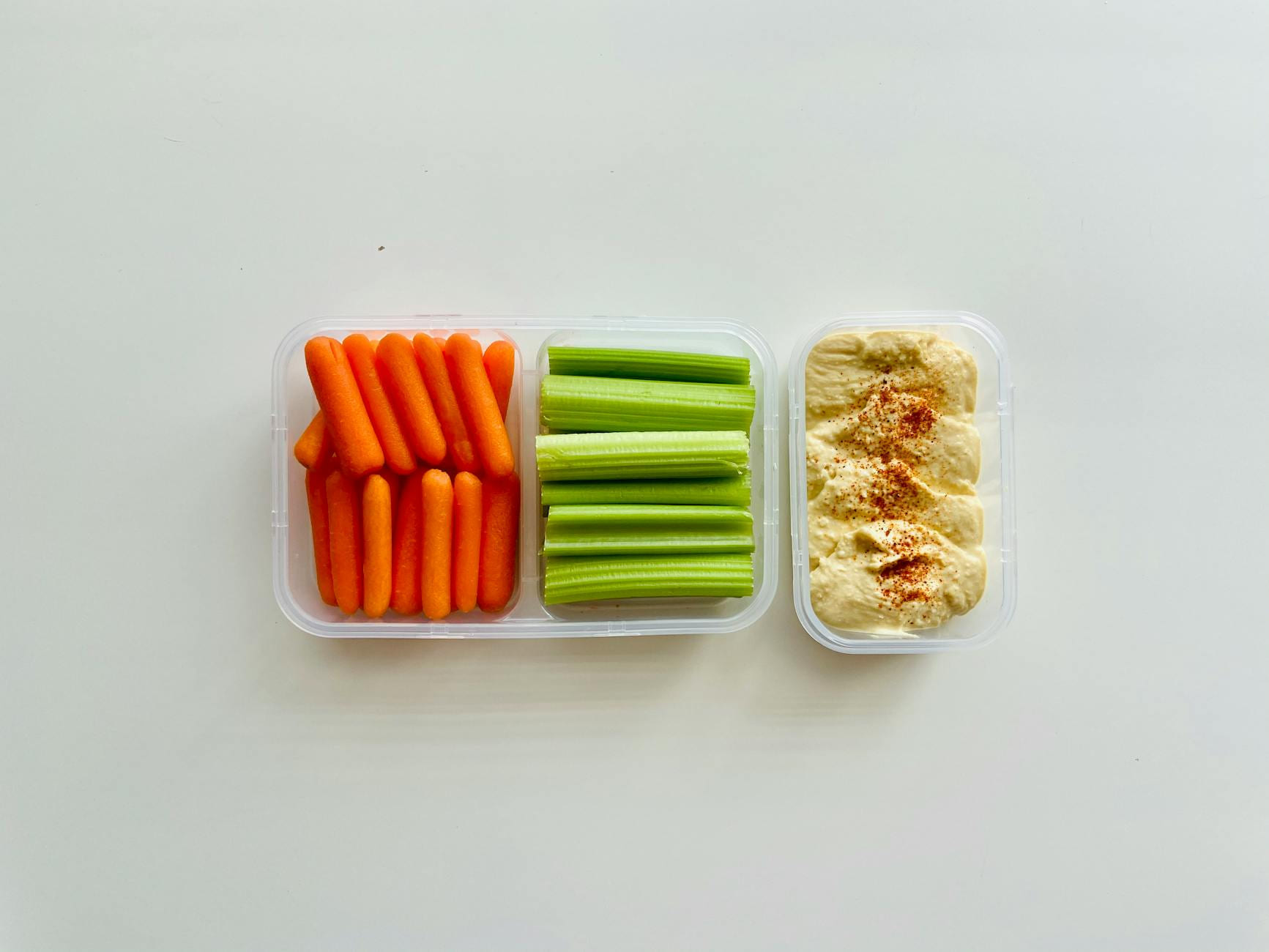
- Choose a Healthy Alternative: If you’re genuinely hungry, choose a nourishing food that will actually satisfy you. Think fruits, vegetables, lean protein, or whole grains. If you’re not hungry, find a different way to meet your emotional need.
Practical Strategies for Detachment
Let’s move beyond the principles and look at some actionable strategies:
- Develop a “Feelings Toolkit”: Create a list of activities that help you cope with difficult emotions. This could include exercise, journaling, spending time in nature, creative pursuits, or connecting with loved ones.
- Practice Self-Compassion: Be kind to yourself. Emotional eating is a common struggle, and setbacks are normal. Don’t beat yourself up over them. Instead, acknowledge them, learn from them, and move forward.
- Change Your Environment: Remove tempting foods from your home. If you’re prone to snacking while watching TV, don’t keep a bowl of chips within reach.
- Social Support: Talk to a trusted friend, family member, or therapist about your struggles. Having someone to support you can make a huge difference. Consider joining a support group.
- Mindful Eating Exercises: Focus on the taste, texture, and smell of your food. Eat slowly and deliberately, paying attention to your body’s signals of fullness. Turn off distractions like the TV or your phone.
- Scheduled Meals & Snacks: Don’t let yourself get overly hungry. Eating regular, balanced meals and snacks can help prevent impulsive eating.
- The "RAIN" Technique (for intense emotions): This is a powerful mindfulness technique. Recognize the emotion. Allow it to be there. Investigate it - what does it feel like in your body? Nurture yourself with compassion.
Beyond the Plate: Addressing Underlying Issues
Emotional eating detachment is often most effective when combined with addressing the underlying emotional issues that trigger it. If you’ve been using food as a long-term coping mechanism, it’s important to explore what’s driving those emotions. Consider talking to a therapist or counselor who specializes in emotional eating or trauma. Cognitive Behavioral Therapy (CBT) and Dialectical Behavior Therapy (DBT) can be particularly helpful.
Example: Let's say you consistently eat ice cream after a fight with your partner. Simply restricting ice cream won’t solve the problem. Instead, you need to explore why you’re reaching for it. Are you feeling rejected? Are you struggling to communicate your needs? A therapist can help you develop healthier ways to manage those feelings.
Conclusion: A Journey, Not a Destination
Breaking the cycle of emotional eating detachment is a journey, not a destination. There will be ups and downs. There will be times when you slip up and eat emotionally. That’s okay. The key is to be patient with yourself, to keep practicing the strategies outlined in this article, and to celebrate your progress along the way. By cultivating awareness, practicing self-compassion, and addressing the underlying emotional needs, you can create a healthier, more fulfilling relationship with food and with yourself. Remember, you deserve to feel good, both physically and emotionally. Start small, be consistent, and believe in your ability to create lasting change.
Keep This Practical
Emotional eating patterns usually change through awareness before control. Track one recurring trigger, prepare one calmer response, and treat the practice as progress.
Tools Worth A Look
The products here fit readers who want practical support between moments of insight and day-to-day follow-through.
- Body for Life Success JournalMINDSET: Mindset Shift: Reprogram Your Mind And Unlock Your Potential For SuccessDaily Word for Weight Loss: Spiritual Guidance to Give You Courage on Your JourneySelf-Made Mind & Body 12-Week Reset Journal – Science-Backed Daily Planner for Metabolic Health, Emotional Well-beingGuided Weight Loss Planner – 12-Week Fitness & Wellness Journal
Some of the links on this page are Amazon affiliate links, which means I may earn a small commission if you make a purchase through them. As an Amazon Associate, I earn from qualifying purchases.
Related ReadingMore from Think Lean Live Strong

Detaching from Food: A Checklist
Detaching from Food: A Checklist: A topic like this becomes easier to use when you focus on what matters first, keep the next step practical, and ignore the extra.

Breaking Free From Food Feelings
The options that age well are usually the ones that are easy to repeat. Reliability and low hassle often matter more than the most impressive-looking feature list.

Detaching from Food: A Better Way?
Detachment vs. Alternatives: A Realistic Path to Lasting Weight Loss Emotional Eating Detachment vs. Alternatives: A Realistic Path to Lasting Weight Loss April...