
Growth Mindset for Body Image Troubleshooting: Reclaiming Your Relationship with Your Body
Let’s be honest: the journey to weight loss, and more importantly, to a healthier relationship with your body, is rarely a smooth, upward trajectory. It’s often a winding road filled with potholes, detours, and the occasional feeling of utter frustration. If you’re struggling with negative self-talk, persistent feelings of inadequacy, or a cycle of self-criticism, you’re not alone. Many of us fall into the trap of viewing weight loss as a moral victory or a measure of our worth, which inevitably leads to disappointment and setbacks. But there’s a powerful antidote: cultivating a growth mindset and prioritizing self-compassion. This isn’t about chasing an arbitrary number on the scale; it’s about fostering a genuine, loving connection with the incredible vessel that carries you through life.
Reframe the Situation: From Failure to Learning (Body Image)
The first step in shifting your perspective is to challenge the automatic negative thoughts that often creep in. Instead of falling into the familiar trap of labeling yourself a “failure” after a slip-up - “I’m just a failure,” “I ruined everything,” - try a more compassionate and realistic approach. A simple shift in language can dramatically alter your emotional response. “I had a slip-up today, but I can learn from it and get back on track tomorrow” acknowledges the event without condemning yourself. It recognizes that one moment doesn’t erase all the progress you’ve made. Think of it like this: if you tripped and scraped your knee, would you immediately declare yourself a clumsy person? Probably not. You’d clean the wound, apply a bandage, and move on. Your body is the same - it’s resilient and capable, even when it stumbles.
Focus on What Your Body *Can* Do: A Celebration of Functionality
So much of the conversation around body image focuses on what our bodies aren’t - the perceived flaws, the areas we wish we could change. But what if we shifted our attention to what our bodies can do? This is a critical pivot. Instead of dwelling on the “before” picture, let’s appreciate the “now” picture. Start by simply noticing the incredible things your body effortlessly performs every single day. Take a deep breath - your lungs are working tirelessly to provide you with oxygen. Move your arm - your muscles are supporting you, allowing you to reach for a glass of water or hug a loved one. Stand upright - your skeleton and muscles are holding you steady. Acknowledging and appreciating your body’s functionality can be a powerful antidote to self-criticism. It’s a way of recognizing that your body is not an obstacle to overcome, but a magnificent instrument designed for living. For example, if you’re struggling with body image related to your legs, try focusing on how they carry you through your day, how they allow you to hike, dance, or simply walk your dog.
The “Would I Say This to a Friend?” Test: Applying Honesty to Yourself
This is a truly invaluable tool. It’s a deceptively simple test that can reveal a lot about the depth of your self-criticism. Would you say those harsh, judgmental things to a friend struggling with the same issue? If the answer is no, why are you saying them to yourself? It’s often easier to be brutally honest with someone else than with ourselves. Let’s say you’re thinking, “I’m just too far gone.” Challenge that thought immediately. What’s the evidence? Have you consistently made healthier choices in the past? Have you seen progress, even if it’s not always visible on the scale? “Too far gone” is a dramatic, unhelpful statement. Instead, try: “What’s the evidence? I’ve lost 10 pounds in the last month, I’m consistently moving my body, and I’m making healthier choices. I’m making progress, and I can continue to build on that.” This reframing shifts the focus from a fixed, hopeless state to a dynamic, evolving process.
Embracing the Journey: Setbacks and Resilience
Small Steps, Big Impact: Process Goals & Self-Compassion
This is key to long-term success and, more importantly, to maintaining a positive relationship with yourself. Instead of fixating on a specific number on the scale (an outcome goal - like losing 10 pounds), focus on the actions you can control (process goals). These are the things you can do every day, regardless of the results. These might include things like going for a 30-minute walk, preparing a healthy meal, drinking enough water, getting seven hours of sleep, or practicing a mindfulness technique. When you focus on the process, you’re building momentum and fostering a sense of self-efficacy - the belief that you can achieve your goals. You’re also taking control, which can be incredibly empowering. And, perhaps most importantly, practice self-compassion. Talk to yourself with the same kindness and understanding you’d offer a friend. Acknowledging that you’re human, that you’ll make mistakes, and that it’s okay to not be perfect. Simple exercises like taking a few deep breaths and saying “May I be kind to myself” can make a surprising difference. Consider journaling - writing down your thoughts and feelings without judgment can help you process setbacks and build self-awareness.
Start with what you will actually use
With Body Image & Growth: Finding Your Way, the first question is usually not which option looks best on paper. It is which part will make day-to-day life easier, smoother, or cheaper once the novelty wears off.
A lot of options sound great until you picture them in a normal week. If the setup is fussy, the routine is easy to forget, or the maintenance is annoying, the appeal fades quickly.
There is also value in keeping one part of the process deliberately simple. Readers often do better when they identify the one decision that carries the most weight and make that choice carefully before they chase smaller optimizations. That keeps momentum steady and usually prevents the topic from turning into clutter.
What tends to get overlooked
Tradeoffs are normal here. Cost, convenience, upkeep, and flexibility do not always line up neatly, so it helps to decide which tradeoff matters least to you before you commit.
This usually gets easier once you make a short list of priorities. A tighter list tends to produce better decisions than trying to solve every possible problem at once.
Another useful filter is asking what you would still recommend if the budget got tighter, the schedule got busier, or the setup had to be easier for someone else to manage. The answers to that question usually reveal which advice is durable and which advice only works under ideal conditions.
Keep This Practical
Body image work sticks when it is compassionate, specific, and repeatable. Pick one grounded habit that helps you feel more respectful toward your body, even on harder days.
Tools Worth A Look
The products below are meant to support a steadier mindset, not pressure you into chasing faster results.
- Beck Diet Solution Weight Loss Workbook: The 6-week Plan to Train Your Brain to Think Like a Thin PersonHow I Lost 120lbs: The Simple WayPermanent Weight Loss: The Self-Nurturing Mindset, the Habits, and the Diet Strategy for Genuine, Lasting Change (Getting Real)Mind Over Body Mindset Makeover Three Truths to Transform Your Body, Mind and Life!: The Missing Piece to Motivation, Weight Loss & Life Success
Some of the links on this page are Amazon affiliate links, which means I may earn a small commission if you make a purchase through them. As an Amazon Associate, I earn from qualifying purchases.
Related ReadingMore from Think Lean Live Strong
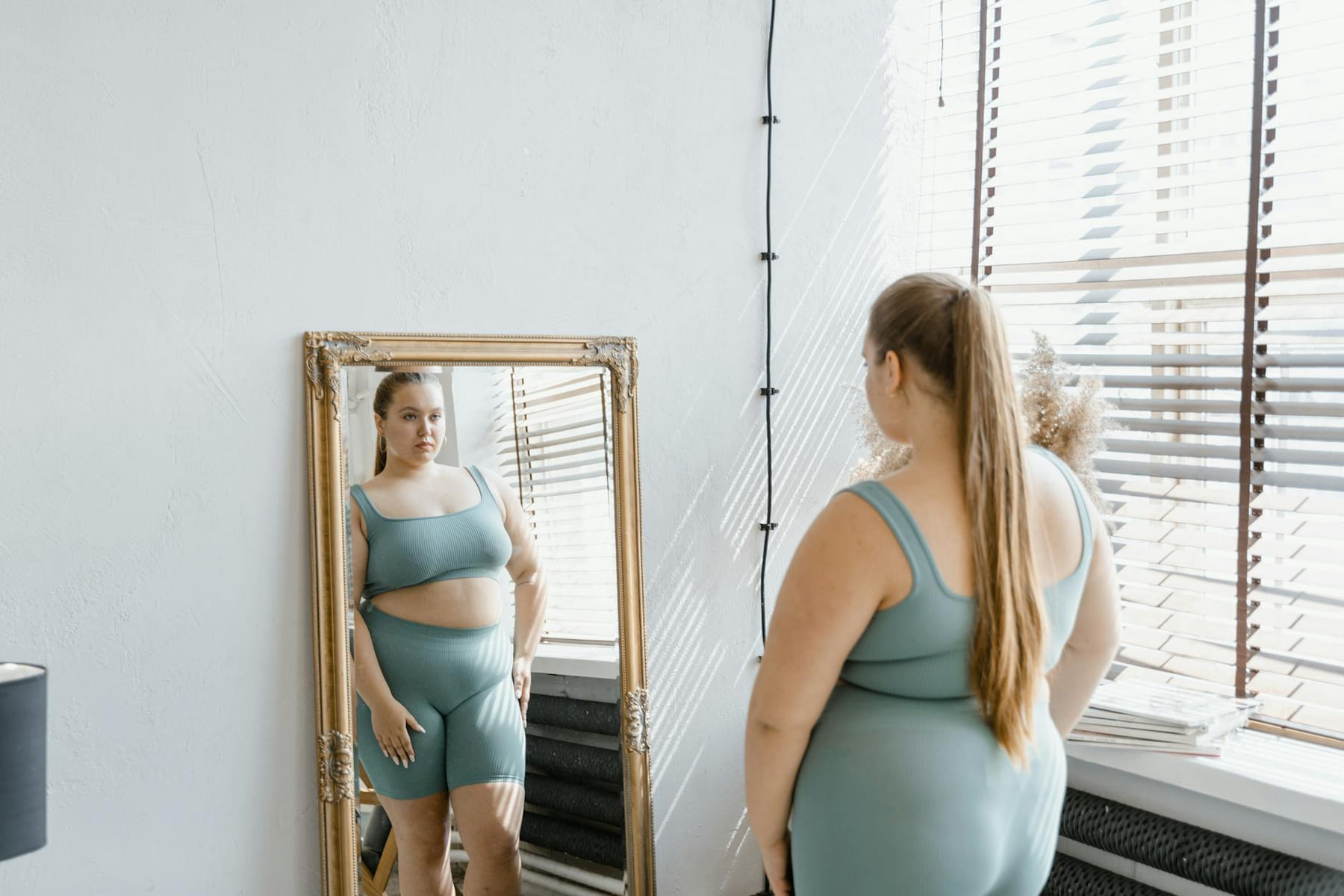
Shifting Your Body Image: A Beginner’s Growth
for Body Image: A Beginner’s Guide to Loving Your Body
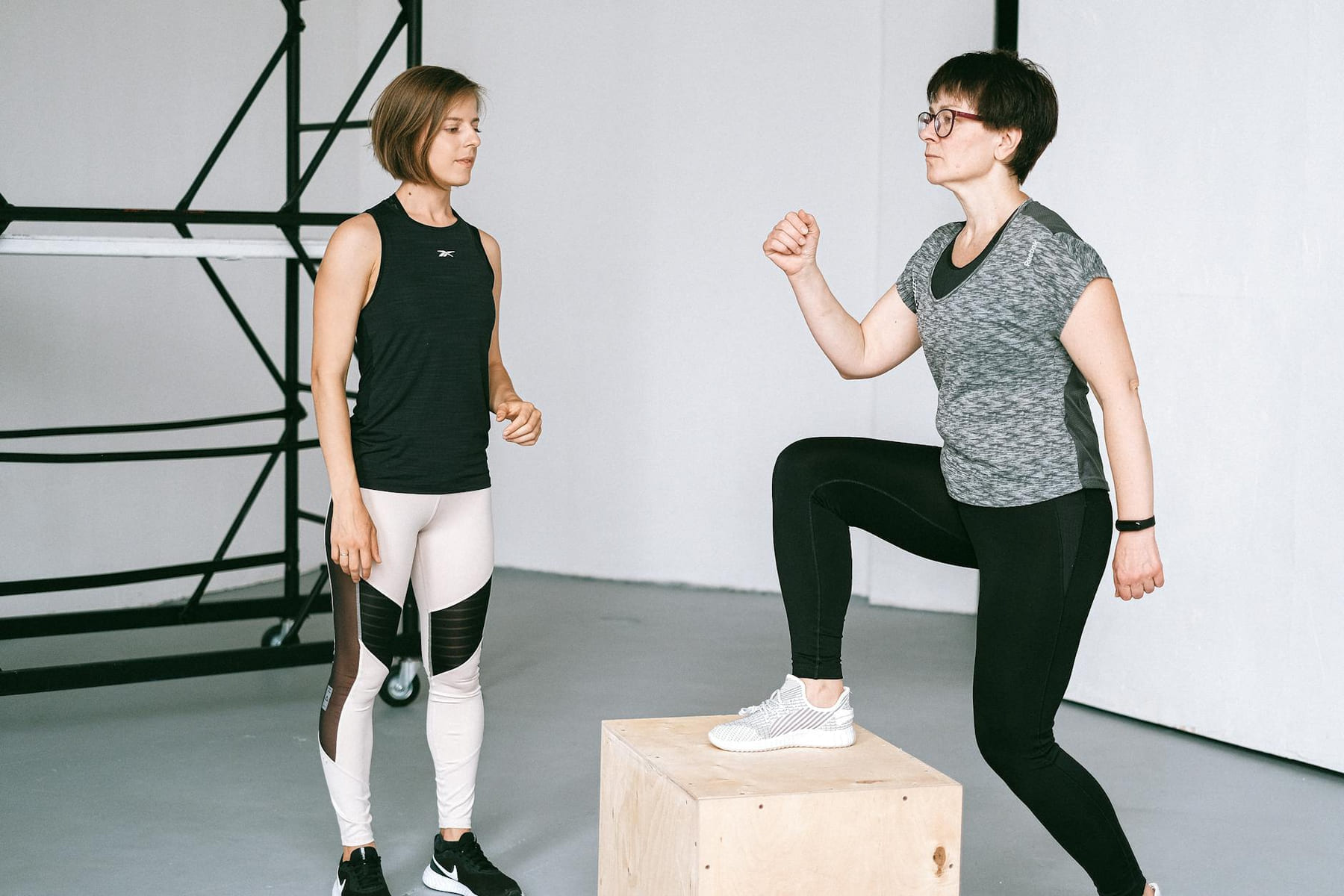
Shift Your Body Image: A Step-by-Step Guide
Shift Your Body Image: A Step-by-Step Guide offers a clearer, more practical take on growth mindset so readers can make the next move with less confusion and more.
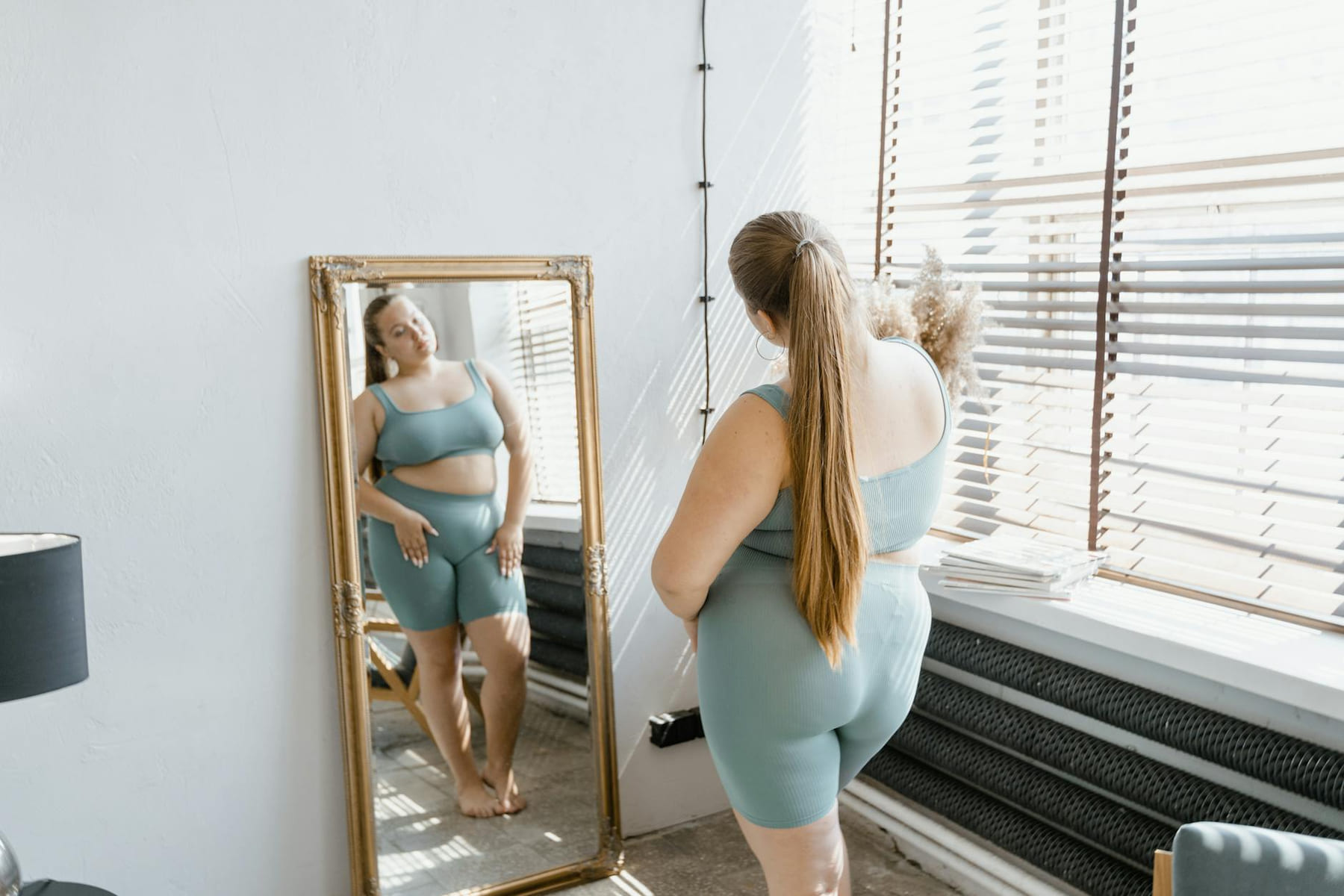
Body Image Shifts: Avoiding Common Mistakes
Avoiding Body Image Mistakes on Your Weight Loss Journey Growth Mindset: Avoiding Body Image Mistakes on Your Weight Loss Journey Weight loss isn’t just about...