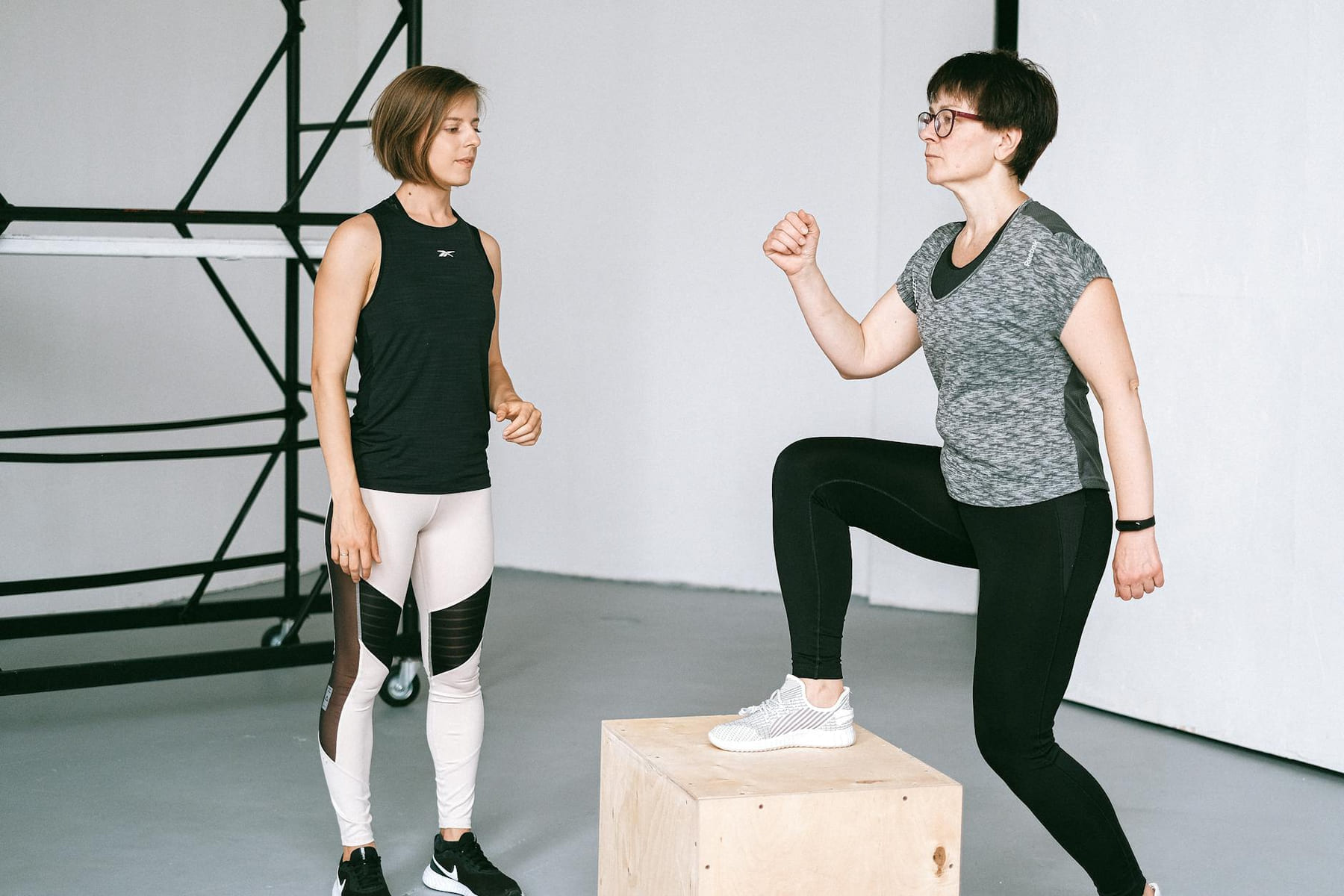
Let’s be honest, the journey to weight loss isn’t just about counting calories and hitting the gym. It’s profoundly impacted by how we feel about our bodies. For many of us, that feeling is riddled with negativity, self-doubt, and a relentless comparison game. Traditional diet culture often fuels this, telling us we need to be thinner to be worthy, happy, or successful. But what if there was a different approach? What if the key to sustainable weight loss and, more importantly, genuine self-acceptance, lay in cultivating a growth mindset for body image?
Understanding the Growth Mindset (Body Image: A Step)
Before we dive in, let’s clarify what a growth mindset actually is. Coined by psychologist Carol Dweck, it’s the belief that your abilities and intelligence aren’t fixed traits, but rather something that can be developed through dedication, effort, and learning. Contrast this with a ‘fixed mindset,’ which assumes your talents are innate and unchangeable. When you operate from a fixed mindset, criticism can feel devastating, and challenges are seen as threats to your self-worth. A growth mindset, on the other hand, views challenges as opportunities for growth, and setbacks as learning experiences.
Think about learning to play an instrument or mastering a new skill. Someone with a growth mindset embraces the inevitable mistakes, seeing them as part of the process. They’re motivated by the learning itself, not just the end result. This same principle applies to our relationship with our bodies.
Identify Your Negative Self-Talk
The first step is becoming aware of the negative thoughts you’re having about your body. This is often the hardest part because we often operate on autopilot, silently judging ourselves. Start by keeping a journal. For a week, write down every time you have a critical thought about your appearance - whether it’s about your weight, your shape, your skin, or anything else. Be honest with yourself. Here are some examples:
- “I look disgusting in this outfit.”
- “I’m so lazy for not going to the gym.”
- “I’ll never be able to fit into my favorite jeans.”
- “My thighs are too big.”
Don’t censor yourself. Just write it down. After a week, review your journal. You’ll likely notice a pattern of recurring negative themes.
Challenge Those Thoughts
Once you’ve identified your negative self-talk, it’s time to challenge it. This doesn't mean denying your feelings - it means examining the evidence behind them. Ask yourself: “Is this thought actually true? Is it helpful? Where is this thought coming from?”
Let’s take the example of “My thighs are too big.” Is that really true? Are your thighs preventing you from doing anything you want to do? Are they causing you pain? Often, these thoughts are based on societal standards of beauty - unrealistic and often unattainable ideals. A more helpful thought might be, “My thighs are strong and allow me to walk, run, and enjoy my life.”
Use techniques like cognitive restructuring. Replace negative thoughts with more balanced and realistic ones. Instead of "I'm a failure for not sticking to my diet," try “I had a setback, but I can get back on track tomorrow.”
Focus on Function, Not Just Appearance
For example, instead of saying, “I hate my stomach,” try, “My stomach allows me to enjoy a delicious meal with my loved ones.” Or, “My legs allow me to hike and explore nature.” This isn’t about ignoring your body; it’s about appreciating its functionality and resilience.
Practice Self-Compassion
This is arguably the most crucial step. Treat yourself with the same kindness and understanding you would offer a friend struggling with similar feelings. We are often far harder on ourselves than we are on others. Recognize that everyone has insecurities and struggles with their body image at times. Self-compassion isn't self-pity; it's acknowledging your suffering and responding with kindness.
Try these exercises:
- Self-Compassion Break: When you’re feeling critical, pause and say to yourself, “This is a moment of suffering. Suffering is a part of life.” Then, place your hand on your heart and say, “May I be kind to myself. May I accept myself as I am.”
- Write a letter to yourself: Write a letter to yourself from the perspective of a supportive and loving friend. Offer words of encouragement and understanding.
Celebrate Small Wins
Weight loss is a process, not a destination. Celebrate every small victory along the way - a healthy meal, a workout you completed, a positive thought about your body. Don’t focus solely on the scale. Track your progress in other ways, such as increased energy levels, improved mood, or feeling stronger.
Instead of saying, “I need to lose 20 pounds,” try, “I made a healthy choice to eat a salad for lunch today.” Recognizing and celebrating these small wins reinforces your growth mindset and keeps you motivated.
Focus on the part that solves the problem
In a topic like Mindset and motivation for weight loss, the strongest starting point is usually the one you will notice and use right away. That is often more helpful than adding extra features too early.
Before spending more, it is worth checking the setup, upkeep, and learning curve. Small hassles matter here because they are usually what decide whether something stays useful or gets ignored.
It is easy to underestimate how much clarity comes from removing one unnecessary layer. In practice, trimming one complication often does more for Shift Your Body Image: A Step-by-Step Guide than adding one more feature, one more product, or one more clever workaround.
Where extra features get in the way
Another easy trap is copying a setup that made sense for someone with a different routine, budget, or tolerance for maintenance. In Mindset and motivation for weight loss, that mismatch is often what makes a promising idea feel frustrating later.
A lot of options sound great until you picture them in a normal week. If the setup is fussy, the routine is easy to forget, or the maintenance is annoying, the appeal fades quickly.
There is also value in keeping one part of the process deliberately simple. Readers often do better when they identify the one decision that carries the most weight and make that choice carefully before they chase smaller optimizations. That keeps momentum steady and usually prevents the topic from turning into clutter.
What makes the choice hold up
A better approach is to break Shift Your Body Image: A Step-by-Step Guide into smaller decisions and solve the highest-friction part first. Testing one practical change usually teaches more than trying to perfect everything in a single pass.
Leave a little room to adjust as you go. A setup that works in one budget range, season, or routine might need a small change later, and that is usually normal rather than a sign you got it wrong.
If this topic still feels crowded or overcomplicated, that is usually a sign to narrow the decision, not a sign that you need more noise. One careful adjustment, followed by honest observation, tends to teach more than another round of abstract tips.
Keep This Practical
Progress here usually starts with softer self-talk and steadier expectations. Choose one way to interrupt harsh body commentary this week and practice it until it feels more natural.
Tools Worth A Look
If you want a little extra support around confidence and self-talk, these picks align with the tone of this article.
- Custom Weight Loss Scratch Off Poster, Custom Weight Loss Tracker PosterDaily Affirmations for Lasting Weight Loss: A Daily Mindset Reset for a Slim, Strong, and Confident YouLose 90 Pounds in 90 Days: Waist-A-Way, The Healthy WayThe Weight Loss Mindset: 365 Affirmations to Heal Emotional Eating and Transform your Body
Some of the links on this page are Amazon affiliate links, which means I may earn a small commission if you make a purchase through them. As an Amazon Associate, I earn from qualifying purchases.
Related ReadingMore from Think Lean Live Strong

Body Image & Growth: Finding Your Way
for Body Image Troubleshooting: Reclaiming Your Relationship with Your Body

Shifting Your Body Image: A Beginner’s Growth
for Body Image: A Beginner’s Guide to Loving Your Body

Body Image Shifts: Avoiding Common Mistakes
Avoiding Body Image Mistakes on Your Weight Loss Journey Growth Mindset: Avoiding Body Image Mistakes on Your Weight Loss Journey Weight loss isn’t just about...