Hey there, friend. Ryan Whitford here, and welcome back to Think Lean Live Strong. If you’re reading this, chances are you’re on a journey towards a healthier, happier you - and that’s fantastic. But let’s be honest, the road to weight loss isn’t always paved with sunshine and rainbows. Often, it’s riddled with self-doubt, negative self-talk, and a whole lot of frustration. And a huge chunk of that frustration, I’ve found, stems from how we feel about our bodies.
For years, I worked with people in high-pressure corporate environments, helping them build resilience and a growth mindset. It quickly became clear that the biggest obstacle to success wasn’t a lack of skills or knowledge - it was a deeply ingrained, often unconscious, relationship with themselves. Specifically, how they viewed their bodies. And that’s why today, we’re diving deep into something crucial: checking your body image through the lens of a growth mindset. It’s not about chasing an impossible ideal; it’s about cultivating a loving, accepting, and empowering connection with the vessel you’ve been given.
The Problem with Perfection
Think about it. How many times have you caught yourself thinking, “I need to lose weight to be happy”? Or “I’ll be more attractive if I just changed X”? These thoughts aren’t rooted in reality; they’re rooted in a fixed mindset - the belief that your body is a problem to be solved, rather than a powerful, amazing machine.
A fixed mindset assumes that your abilities and appearance are static. You’re either “good enough” or you’re not. With a growth mindset, on the other hand, you believe that you can develop your abilities and change your circumstances through effort, learning, and perseverance. It’s about seeing yourself as a work in progress, constantly evolving and growing.
Understanding the Growth Mindset
So, how do we shift from a fixed mindset to a growth mindset when it comes to our bodies? It’s not a quick fix; it’s a fundamental shift in perspective. Here’s where it starts:
- Recognize Your Thoughts: The first step is simply becoming aware of the negative thoughts you’re having about your body. Start noticing the critical voice in your head. Don’t judge it - just observe it. “Okay, I’m thinking ‘I look terrible in this outfit.’ That’s just a thought.”
- Challenge Those Thoughts: Once you’ve identified a negative thought, challenge its validity. Ask yourself, “Is this thought actually true? Is it helpful? Where is this thought coming from?” Often, these thoughts are based on unrealistic expectations or external pressures.
- Reframe Your Perspective: Replace the negative thought with a more positive and realistic one. Instead of “I look terrible,” try “I’m feeling a little self-conscious today, but I’m focusing on how strong and capable I feel.”
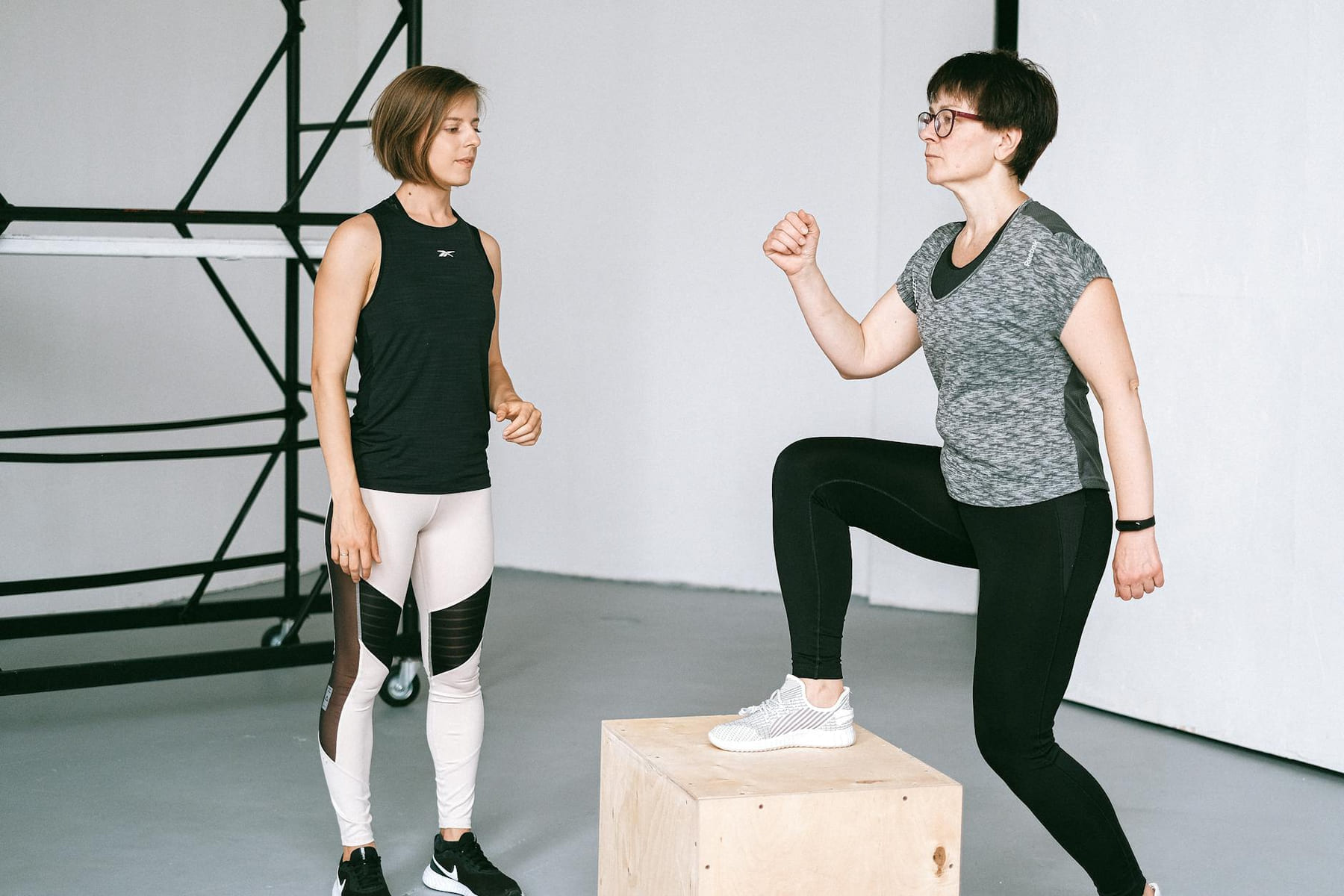
- Focus on Function, Not Just Appearance: Shift your attention from how your body *looks* to what it *does*. Can you climb stairs without getting winded? Can you hug your grandkids? Can you enjoy a walk in nature? Celebrate the incredible things your body allows you to do.
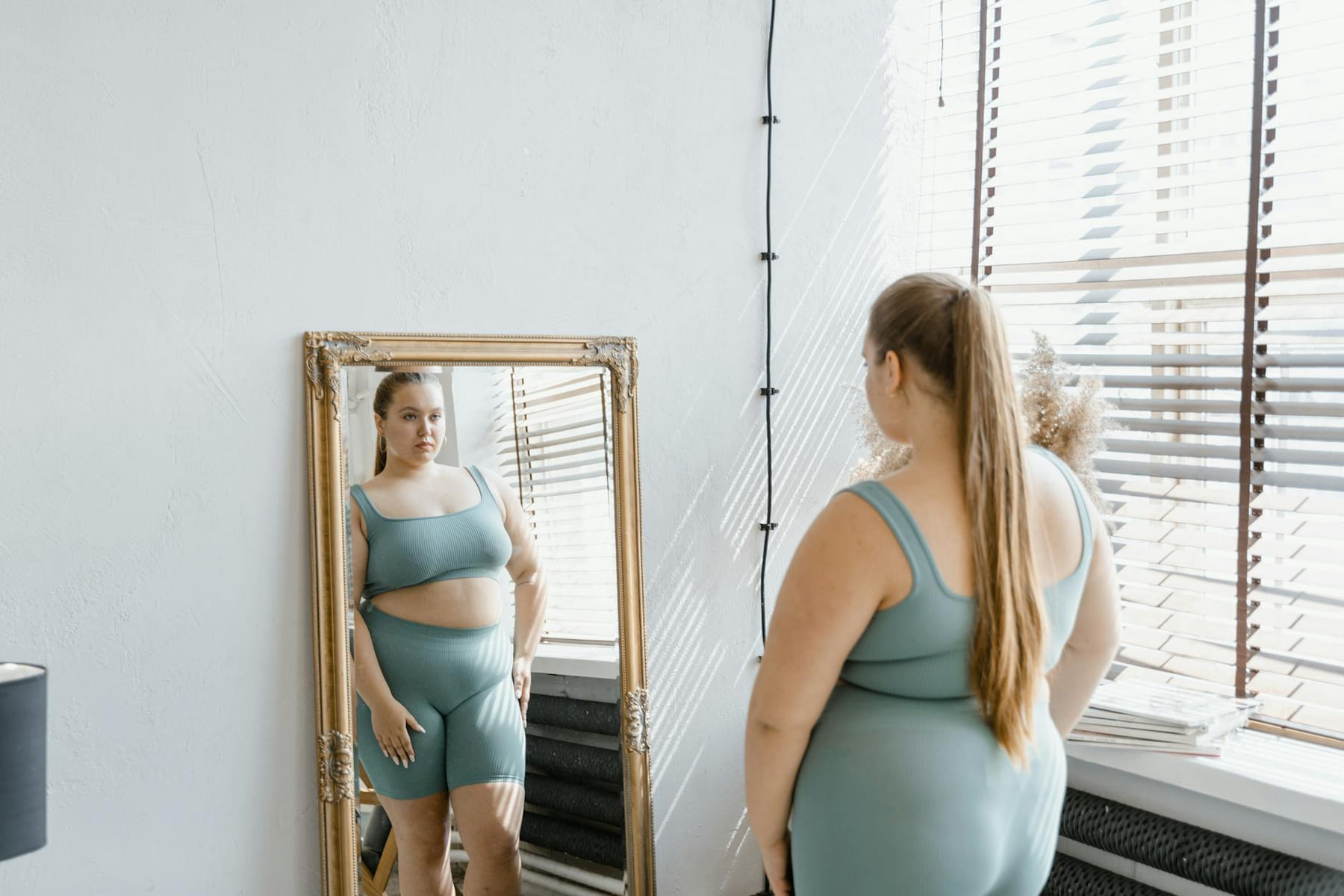
Example: Let's say you're staring in the mirror and thinking, “My thighs are huge.” A fixed mindset response might be, “I need to work out more to get rid of these thighs.” A growth mindset response would be, “My thighs are strong and they carry me through my day. I’m going to focus on strengthening them through exercise and appreciate their function.”
The Power of Self-Compassion
This brings us to self-compassion - a critical component of a healthy body image. It’s about treating yourself with the same kindness, understanding, and acceptance that you would offer a dear friend. Seriously, imagine a friend was saying those same critical things about themselves. Would you berate them? Probably not. You’d offer comfort and support. Extend that same compassion to yourself.
Self-compassion doesn’t mean letting yourself off the hook. It means acknowledging your struggles, accepting your imperfections, and moving forward with kindness and resilience. It’s about recognizing that everyone makes mistakes and that setbacks are a normal part of the journey.
Practical Tip: Try the "Self-Compassion Break." When you're feeling overwhelmed or self-critical, pause, take a deep breath, and say to yourself, “This is a moment of suffering. Suffering is a part of life. May I be kind to myself. May I give myself the compassion I need.”
Beyond the Scale: Measuring Progress Differently
Weight loss is often measured by the number on the scale, but the scale is a notoriously unreliable and often discouraging measure. It doesn't reflect muscle mass, hydration levels, or overall health. Instead, focus on non-scale victories - things that demonstrate your progress and commitment to your well-being.
Here are some examples of non-scale victories:
- Increased Energy Levels: Do you feel more energetic throughout the day?
- Improved Sleep: Are you sleeping better?
- Clothes Fitting Better: Are your clothes fitting looser?
- Increased Strength and Endurance: Are you able to lift heavier weights or walk further?
- Better Mood: Are you feeling happier and more confident?
Celebrate these victories! They are a testament to your hard work and dedication.
Building a Lasting Foundation
Ultimately, shifting your body image through a growth mindset is about cultivating a deeper, more authentic relationship with yourself. It’s about recognizing that your worth isn’t determined by your appearance, but by your character, your kindness, and your resilience. It’s about embracing the journey of self-discovery and celebrating every step of the way.
This isn’t a destination; it’s a continuous process. Be patient with yourself, be kind to yourself, and remember that you are worthy of love and acceptance, exactly as you are. And if you need a little extra support, don't hesitate to reach out. You've got this, friend.
Key Takeaways
- Fixed Mindset vs. Growth Mindset: Understand the difference and how it impacts your thoughts about your body.
- Challenge Negative Thoughts: Don't accept critical self-talk as truth.
- Practice Self-Compassion: Treat yourself with the same kindness you’d offer a friend.
- Focus on Non-Scale Victories: Celebrate progress beyond the number on the scale.
Keep This Practical
Progress here usually starts with softer self-talk and steadier expectations. Choose one way to interrupt harsh body commentary this week and practice it until it feels more natural.